EVE DE JONG
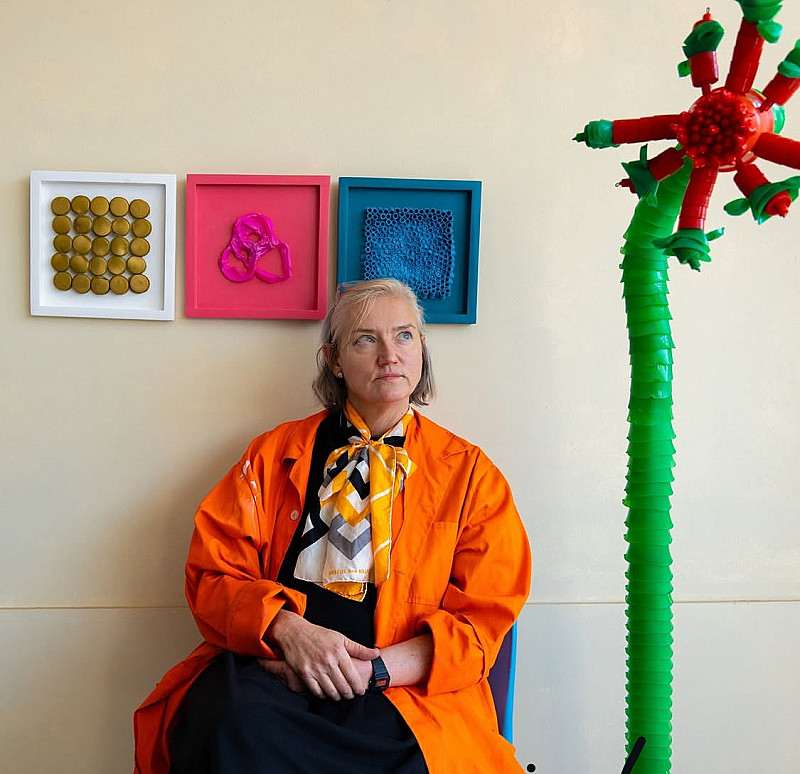
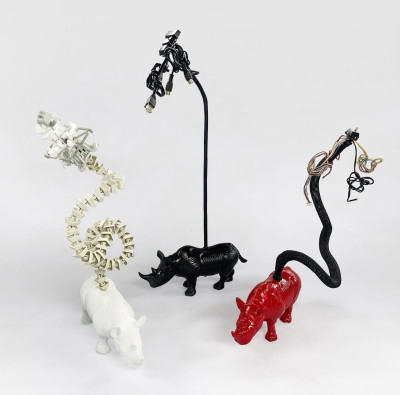
Eve de Jong is an artist working with a variety of materials, including found, reclaimed, and recycled objects. She transforms these materials particularly recycled plastic waste into sculptural and three-dimensional works that explore ideas of reuse, transformation, and material storytelling.
Born in Cape Town, Eve was raised across South Africa, Belgium, and the Netherlands, experiences that have shaped her creative outlook. She later returned to South Africa to study Dramatic Art at the University of the Witwatersrand (Wits University).
Eve previously worked as a producer and director for the national broadcaster SABC, as well as for several advertising agencies. After dedicating a number of years to full-time motherhood, she has since returned to her lifelong passion for art with renewed focus.
She currently lives and works in Johannesburg, where she continues to develop her practice through innovative engagement with reclaimed materials.
Artist Statement
“The artist shapes the beautiful and useful out of the dump heap of human life.” – Claude Lévi-Strauss
Eve de Jong’s work explores the possibility of reinvention and second chances for objects, for ourselves, and for the planet we inhabit.
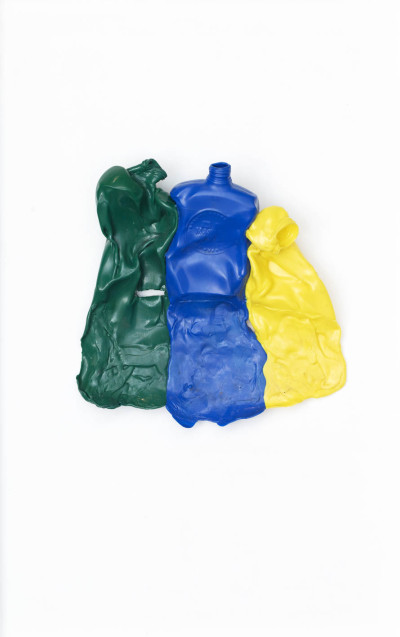
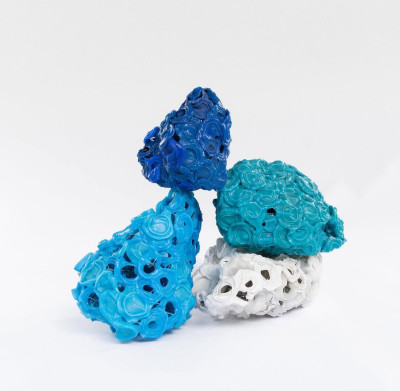
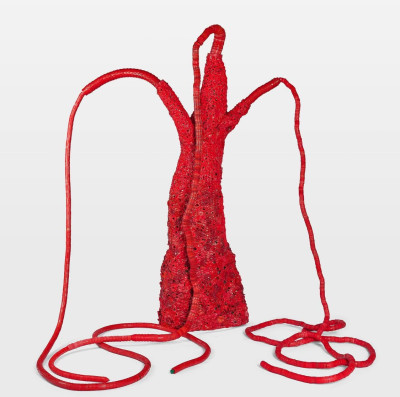
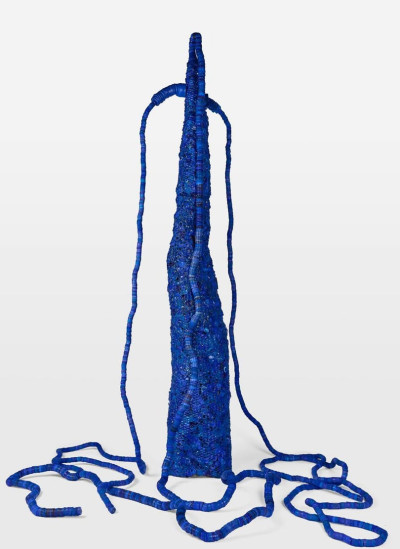
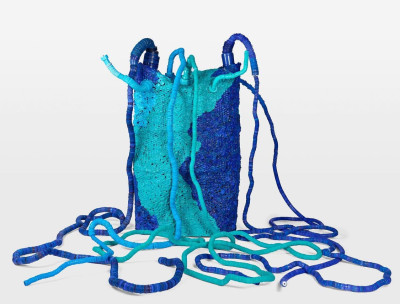
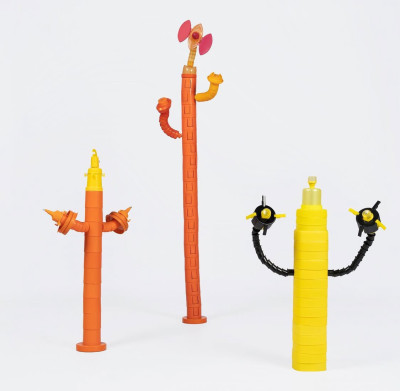
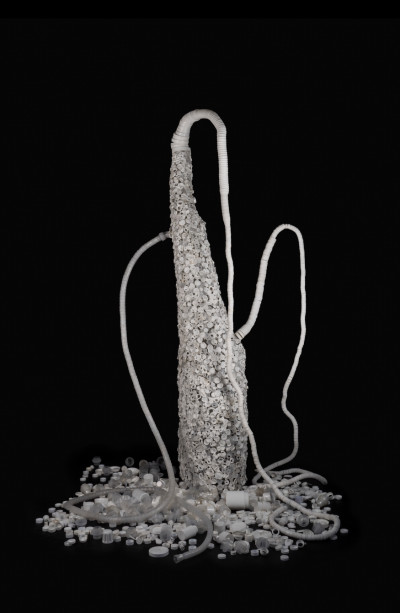
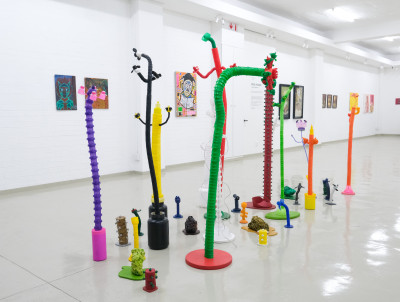
Using recycled plastic lids and bottle tops, she reshapes and recomposes discarded materials into new forms that speak to the environmental challenges of our time. These materials are transformed into bright, engaging, and meaningful objects that mimic elements of nature. In doing so, her work juxtaposes “natural” landscapes with the artificial permanence of plastic a material often destined to be buried in the earth or lost in the sea.
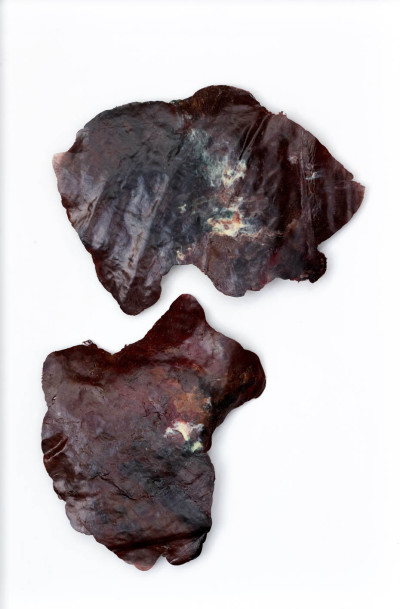
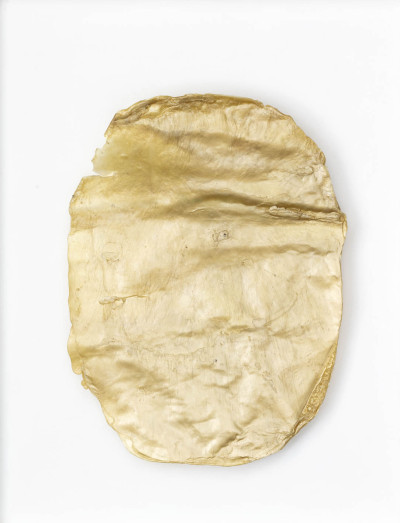
Our oceans and land have become vast dumping grounds for waste. Much of the plastic we produce even that which is intended for recycling ultimately finds its way back into the environment. The plastic “rocks” she creates function as both objects and warnings. While they exist within the visual language of nature, they remain reminders of the dangers of unchecked consumption. At the same time, they retain a sense of vibrancy and beauty, illustrating the tension between destruction and possibility.
Her practice is informed by the idea of the bricoleur working with materials at hand to create something new, unexpected, and meaningful as well as by the influence of the Futurists, whose rejection of traditional artistic conventions opened pathways for radical experimentation with industrial materials.
In engaging plastic as her primary medium, Eve confronts the paradox of the industrial age: a material that represents both human ingenuity and environmental consequence. Through transformation, her work seeks to acknowledge this tension while imagining possibilities for renewal and change.